Twelve Dozen at Midnight: The Tamale Rush That Tests Our Kitchen Every December
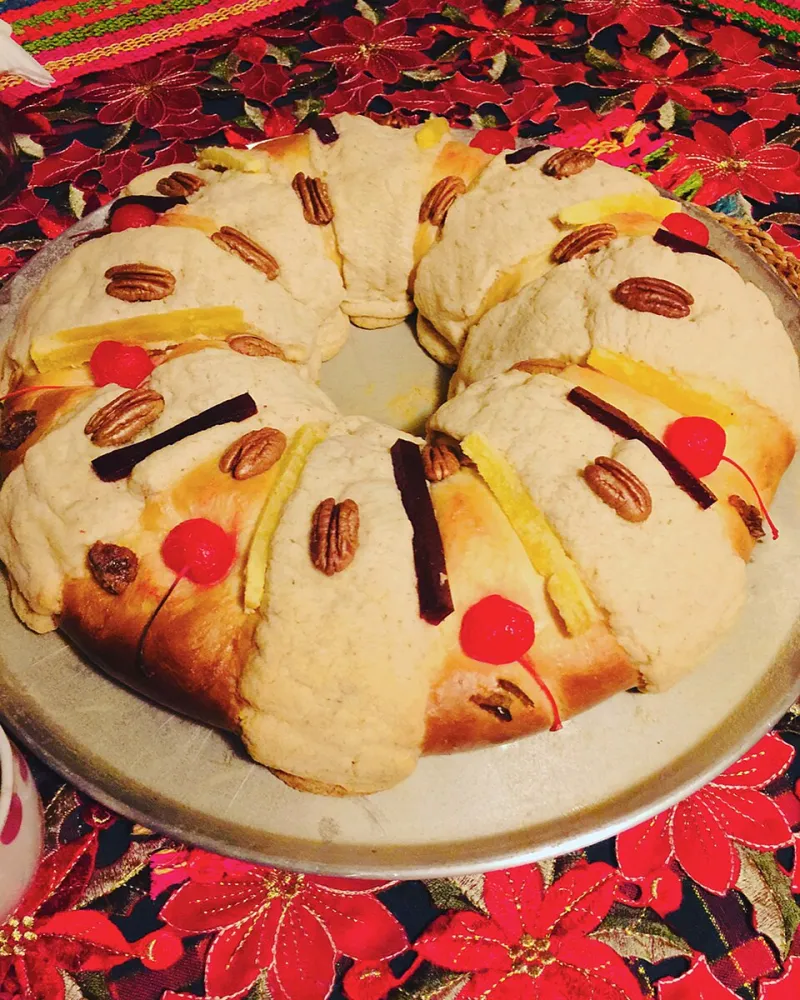
Photo: Petrvs III, CC BY-SA 4.0, via Wikimedia Commons
Ask any of our line cooks what the hardest shift of the year is, and nobody says Friday night. Nobody says Mother's Day brunch. They all say the same thing: the ten days before Christmas, when the tamale orders come in like a slow-rolling storm.
We've been hand-rolling tamales at Mama Joe's for going on two decades now, and every December the same thing happens. Folks who haven't called all year suddenly remember that their abuela's tamale recipe lives three states away, and ours is the next best thing. Orders triple. Then they quadruple. And somewhere around December 20th, the kitchen stops feeling like a kitchen and starts feeling like Santa's workshop, if Santa's workshop smelled like roasted pork and steaming corn husks.
It Starts in October
Our regulars know the drill. Pre-orders open the first week of October, and by Halloween the serious ones have already locked in their dozens. There's a woman named Dolores who orders eighteen dozen every year — one for her family, and the rest distributed to neighbors, her church, and her mail carrier. She's been doing it so long that her order is just written on the calendar as "D" in Sharpie.
The pre-orders matter because tamales can't be rushed. The masa has to rest. The fillings have to cool completely before spreading, or the husks get soggy and everything slides around. A single batch of our red chile pork filling takes the better part of a day between braise and chill. When you're looking at two hundred dozen in a week, the math gets brutal fast.
The Year Everything Went Wrong
We call it The Great Tamale Shortage of 2019, and we say it the way other families talk about the flood or the big snowstorm.
It started with a corn husk supplier who went dark. Then our walk-in cooler compressor died on December 18th — right as we were holding enough prepared masa to fill a kiddie pool. Rosa, who's run our tamale station longer than anyone, estimates we lost forty pounds of filling to the warm air before we got everything moved to the bar cooler and three rented ice chests.
By Christmas Eve we were behind by nearly a hundred dozen. And here's the thing about tamales: you can't just make people wait. Half of them are for Christmas Eve dinner, a tradition with a hard deadline. You can't show up to Nochebuena on December 26th with an apology and a gift card.
So we did what families do. Rosa's daughter came in from her shift at the hospital and rolled until 2 a.m. Our dishwasher's cousin showed up "just to help spread masa" and stayed nine hours. The owners steamed tamales in shifts through the night, trading out every ninety minutes so nobody fell asleep standing up. We made every single order. Barely. The last dozen went into a car at 11:40 p.m. Christmas Eve, and the woman who picked them up cried a little, and honestly, so did we.
Why We Keep Doing It
After a year like that, you'd think we'd cap the orders. Put a limit on it. But every January, when the kitchen finally quiets down, somebody starts talking about next December anyway.
Because here's what we learned: the tamale rush isn't really about the tamales. It's about the fact that people want to serve something handmade at their holiday table, and not everybody has someone left who knows how. When a customer picks up six dozen and tells us their mother used to make these, that's not a transaction. That's us holding down a tradition for a family that lost its tamale-maker, and we don't take that lightly.
Steal Our Shortcut: The Slow Cooker Method
Every year, home cooks ask us how to make tamales without losing their minds, and every year we give the same advice: let your slow cooker do the steaming.
Here's the trick. Roll your tamales however your family does it — nobody's judging your spread technique. Then stand them upright, open ends up, in a large slow cooker. Pour about an inch of water in the bottom, cover the tops with a damp towel and the lid, and cook on high for four to six hours. Check the water level once halfway through. The masa is done when it pulls away cleanly from the husk.
The slow cooker method is forgiving in a way a big steamer pot isn't. You can't scorch the bottom. You don't have to babysit it. And if your tamales finish before your guests arrive, just switch the cooker to warm and they'll hold beautifully for a couple of hours.
A few other tips from our kitchen to yours:
- Cool your filling completely. Warm filling makes greasy, loose tamales. Overnight in the fridge is best.
- Spread masa on the smooth side of the husk, not the ridged side. It peels off like a dream.
- Don't overfill the steamer. Tamales need room for steam to circulate, or you'll get dense spots.
- Freeze extras uncooked. They'll keep two months, and you can steam them straight from frozen — just add an extra hour.
See You in the Line
If you're picking up a pre-order this year, come say hi to the crew rolling at the back table. They'll be flour-dusted, a little bleary, and grinning anyway. And if you're making your own for the first time — go easy on yourself, use the slow cooker, and know that somewhere in our kitchen, there's a stack of corn husks with your name on it in spirit.
Merry Christmas from all of us at Mama Joe's. Now somebody hand Rosa a tamal spreader.