One Month, One Bin: Our Kitchen Weighed Every Scrap We Tossed (Here's What Happened)

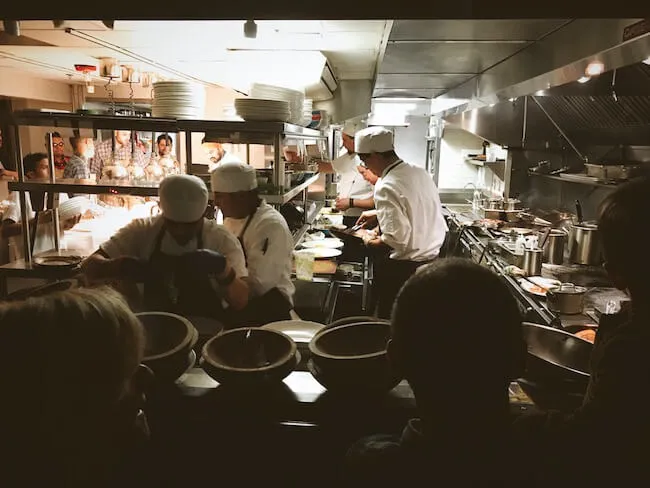
Photo: restaurant kitchen compost bin vegetable scraps, via retaildesignblog.net
There's a dented metal can at the back of our kitchen that nobody ever wanted to talk about. It sits next to the dish pit, hums along all service, and absorbs whatever doesn't make it to a plate. Last spring, my nephew Marcus — who's studying environmental science and won't let anyone forget it — asked a simple question over Sunday dinner: "Do you guys actually know how much food you throw out?"
We didn't. So we decided to find out.
The Rules of the Experiment
For one full month, every scrap that hit the compost can got logged. Veggie trimmings. Tortilla bits from the press. The fat cap off a brisket. The rice that sat past its prime. Weigh, write it down, sort it into buckets: compostable, reusable, and — the category that stung — plain old trash.
We braced ourselves for embarrassment. What we got instead was an education.
What a Month of Scraps Actually Looks Like
The final tally: just over 340 pounds of organic waste in four weeks. Sounds like a lot, right? Here's the surprise — about 70 percent of it was stuff we'd been throwing away that was perfectly usable.
The biggest offender? Vegetable trim. Onion skins, bell pepper tops, cilantro stems, the woody ends of the celery nobody eats. We'd been composting what should've been going in a stockpot.
Number two on the list: tortilla scraps. Every batch of flour tortillas made by hand produces the odd misshapen one, the torn edge, the dough that over-proofs. We'd been tossing them into the bin like they were nothing.
And then there was the brisket trim — roughly 15 pounds of beautiful fat and bark that we'd been paying a rendering service to haul off.
The Hacks That Stuck Around
Once we saw the numbers written on the whiteboard, the crew got competitive about it. A few fixes came out of that month and never left:
The scrap stock. A big zip-top bag now lives in the walk-in freezer for onion ends, pepper cores, and herb stems. When it's full, it becomes the base for our posole and the beans. Our stock flavor actually improved — those cilantro stems carry a punch.
Chilaquilesaturdays. The day-old tortilla chips that don't meet chip-basket standards? They've become the backbone of our weekend chilaquiles special. Guests order it on purpose now.
Tortilla crumbs = dessert topping. The toasted, crumbled edges of handmade tortillas get dusted with cinnamon sugar and scattered over our flan. Line cook Rosa invented this, and we nearly fired her in the good way.
Brisket trim goes into the refried beans. Rendered down slowly, that fat does more for a pot of pintos than any shortcut ever could.
By week four, our true trash — the stuff that was genuinely spoiled or unusable — had dropped by more than half. The compost can went from a daily embarrassment to a much lighter lift.
The Part That Hit Closest to Home
Here's the thing about a family restaurant: the kitchen is just a bigger version of your kitchen. When we started the audit, I did the same exercise at my own house for a week and found a bag of wilting spinach, three forgotten avocados, and half a pot of beans I'd sworn I'd eat.
Waste isn't a restaurant problem or a home problem. It's a paying-attention problem.
Your Turn: The Mama Joe's Challenge
We're not going to lecture anybody. But if a crew of line cooks running a Friday-night rush can weigh their scraps for a month, you can try one week of it at home. Three simple moves:
- Keep a freezer scrap bag. Onion ends, carrot tops, herb stems — stock base, free of charge.
- Repurpose before you toss. Stale tortillas are chips. Leftover rice is a burrito filling. Yesterday's roast is today's tacos.
- Plan one "clean-out" meal a week. In our house it's Sunday fajitas — whatever's left in the crisper drawer hits the plancha.
Marcus says we should do the audit again next year. The crew says only if he helps wash the buckets. Fair deal. That can at the back of the kitchen taught us plenty — mostly that good cooking and less waste have always been the same job.